New Jersey stands at a crossroads. By 2034, we will have more residents over the age of 60 than students sitting in our classrooms.
As the state’s population ages, the systems meant to support older adults are becoming increasingly strained and outdated. Affordability, healthcare, and housing are no longer siloed concerns, but are collectively affecting residents’ quality of life, and whether they will remain in the State in their later years.
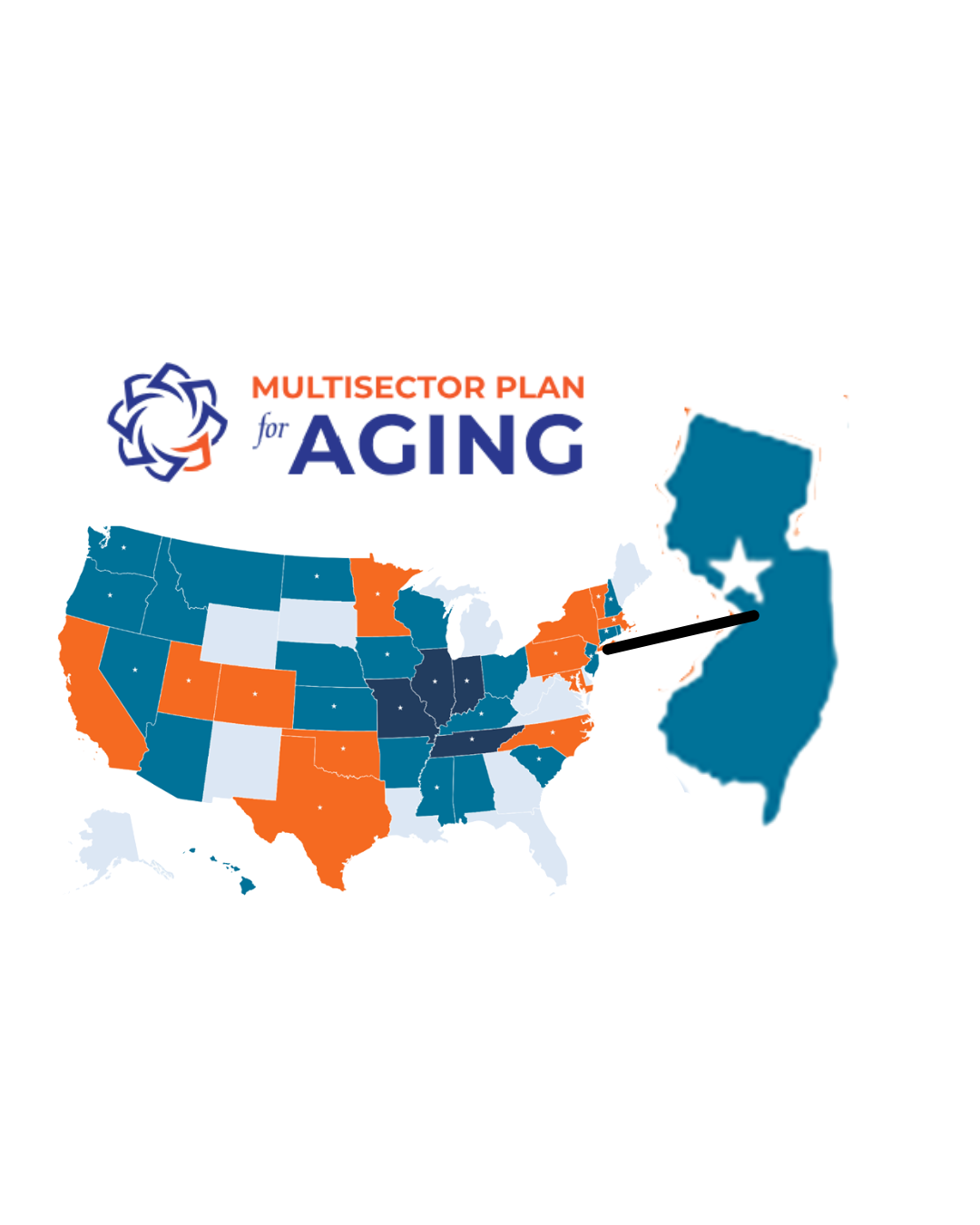
Lifelong Strong New Jersey, a coalition of advocates, thought leaders and service providers, is calling on New Jersey’s next governor to implement a Multisector Plan for Aging (MPA) – a coordinated, data-driven roadmap that brings together all units of State government, private sector, and community organizations to set goals and alter policies that will better support aging in NJ.
Older New Jerseyans are caught in a growing financial gap. According to the Elder Economic Security Index, 52% of older residents fall below what is needed to meet basic needs, despite earning too much to qualify for public assistance. The true cost of aging in place in New Jersey ranges from $28,000 to $41,000 annually, a figure that far exceeds federal poverty thresholds.
Recent survey data from NJ Advocates for Aging Well (NJAAW) shows that 53% of residents aged 60 and over list financial stability as a top concern, right behind health and housing. People at all income levels, including those earning over $100,000 per year report feeling squeezed by high property taxes and the cost of living. For many, working past age 65 is not a choice, but a necessity. More than 25% of New Jerseyans over 65 are still in the workforce. The high cost of living is driving older adults out of state: New Jersey has the highest outbound migration rate in the country, with more than 40% of departing residents over age 65. The problem goes beyond economic insecurity- it’s financial instability.
Healthcare remains the top concern among older adults in New Jersey. The transition to home- and community-based services (HCBS) is underway – 66% of Medicaid long-term services and supports (LTSS) are now delivered outside institutional settings – but access remains uneven. Programs like PACE (Programs of All-Inclusive Care for the Elderly) and ALPs (Assisted Living Programs) are proven solutions that integrate medical, social, and long-term care. Yet New Jersey currently has only eight PACE sites, serving eleven counties. We can do better to provide access to preventive and routine care for many.
Housing instability is another challenge facing all residents – especially older adults. Forty-two percent of older New Jerseyans struggle with home maintenance, and 21% report difficulty paying rent or mortgages. This disparity hits communities of color hardest: more than half of Black and Hispanic older adults are renters, yet they are largely excluded from the most generous benefits. Many aging New Jerseyans are stuck in suburban municipalities that are not designed for aging in place, lacking public transportation, accessible housing, and walkable communities. In many towns, more than 30% of older residents pay more than one-third of their income on housing.
Aging in place should mean having a home that sustains you – not burdens you.
By developing and implementing a Multi-Sector Plan on Aging, New Jersey’s next governor can position the state as a national leader, committed to meeting the needs of all residents as we age.
An MPA would prepare New Jersey for its older population by:
- Creating coordinated, integrated policies and services across government agencies and ensuring that the needs of older adults, people with disabilities, and family caregivers are met over the coming decade.
- Transforming the infrastructure and coordination of services to better serve the rapidly aging populations.
- Collaborating across diverse sectors to address the needs of all aging people, including people with disabilities.
- Ensuring that the needs of older adults and caregivers are understood and reflected across all programs, policies, and services.
- Promoting collaboration among policymakers and raising public awareness about aging-related issues.
- Focusing on aging and disability challenges across various policies to ensure communities are well-equipped to support people at every stage of life.
Older residents are not a special interest. They are the heart of our communities, our workforce and our families. The challenges facing all of us as we age require thoughtful collaboration and urgent action. Committing to an MPA is a natural next step after the State’s Age Friendly Blueprint, age-friendly communities grant program, and the CHCS learning cohort.